Savor The Andes
Amanda Barnes explores Peru’s extraordinary culinary renaissance, where foraging for indigenous ingredients, and innovative gastronomy and winemaking, are safeguarding its natural and cultural heritage for the future
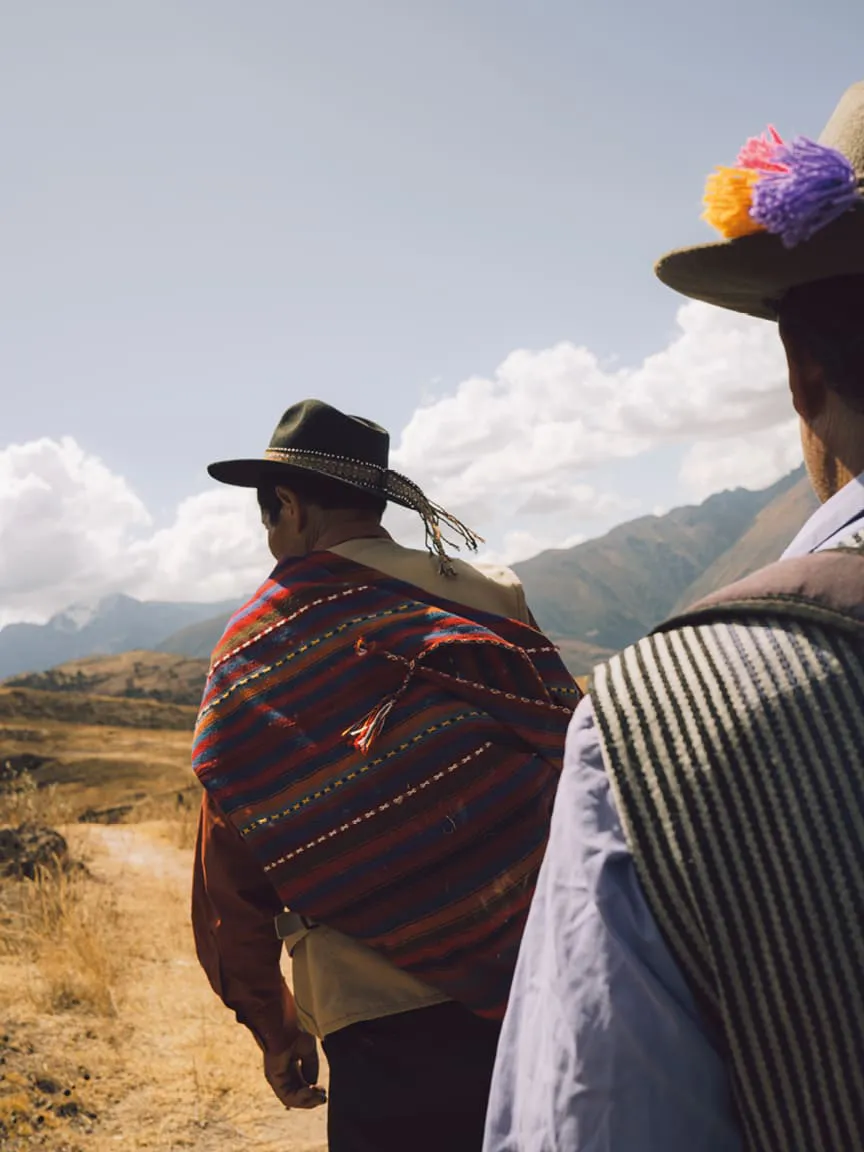
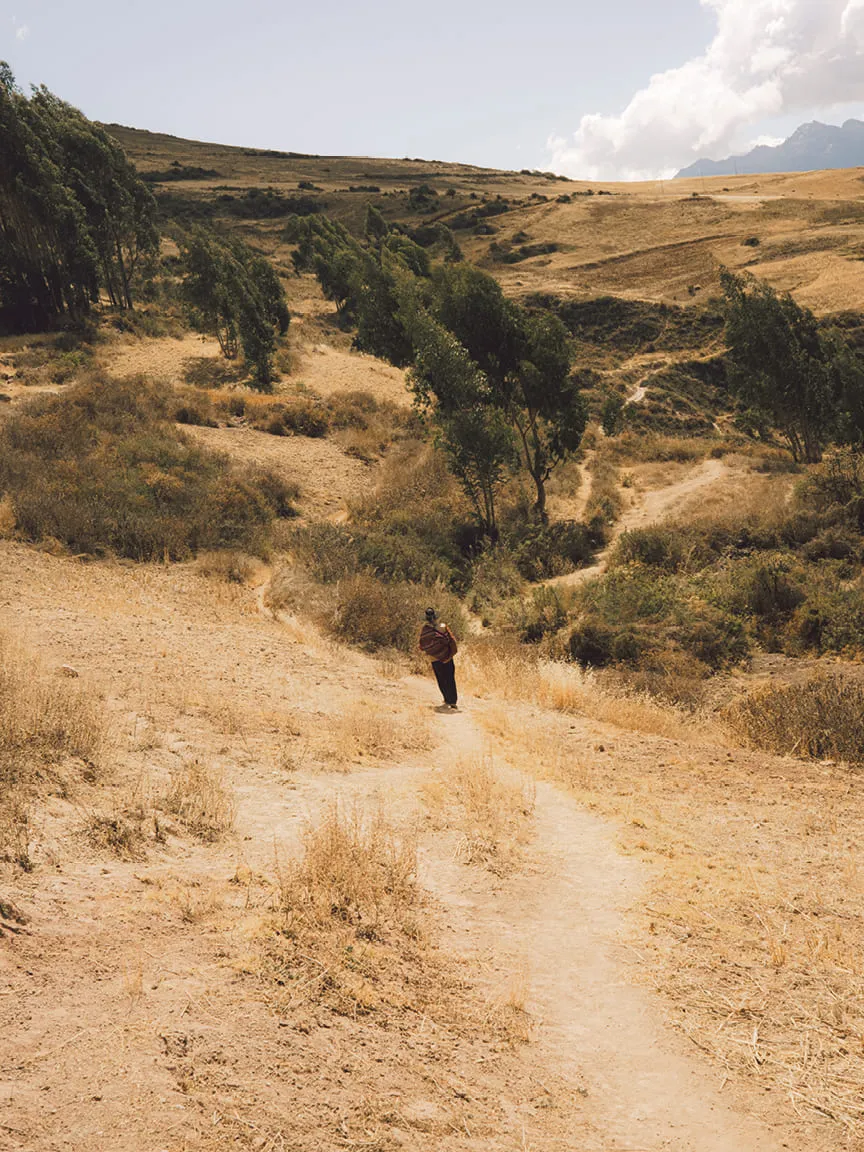
As I follow Cleto Quisipaucar, an elder from a nearby village, I realize he is guiding me on more than a foraging expedition – it is a journey into Peru’s rich natural heritage. Here, distances are described not in miles but in minutes: Cleto’s home lies precisely 37 minutes away by foot. Draped over his shoulder is a colorful, hand-stitched blanket, cleverly fashioned into a satchel. From its folds, he retrieves a small pair of secateurs and stops before a dry, unassuming bush.
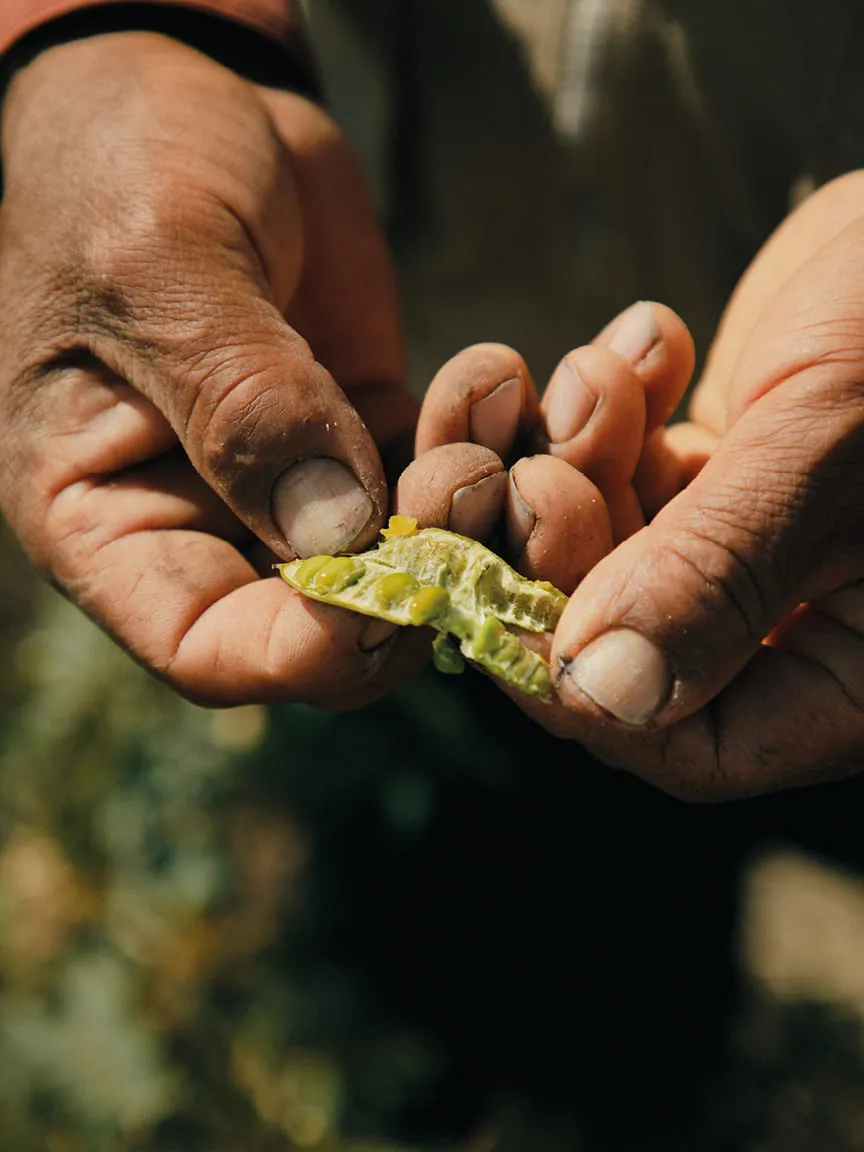
It is winter in the Sacred Valley. The Andes stretch out around us, their jagged peaks softened by winter’s pale light and painted in cool mineral tones of purple, blue, and grey. The land appears stark and barren to my untrained eye, but Cleto sees abundance. Within the brittle branches of the bush, he discovers a vivid orange tumbo fruit (also known as banana passionfruit). Cracking it open, he hands it to me, and I suck on the tart yet sweet flesh, its flavors reminiscent of passionfruit and pear.
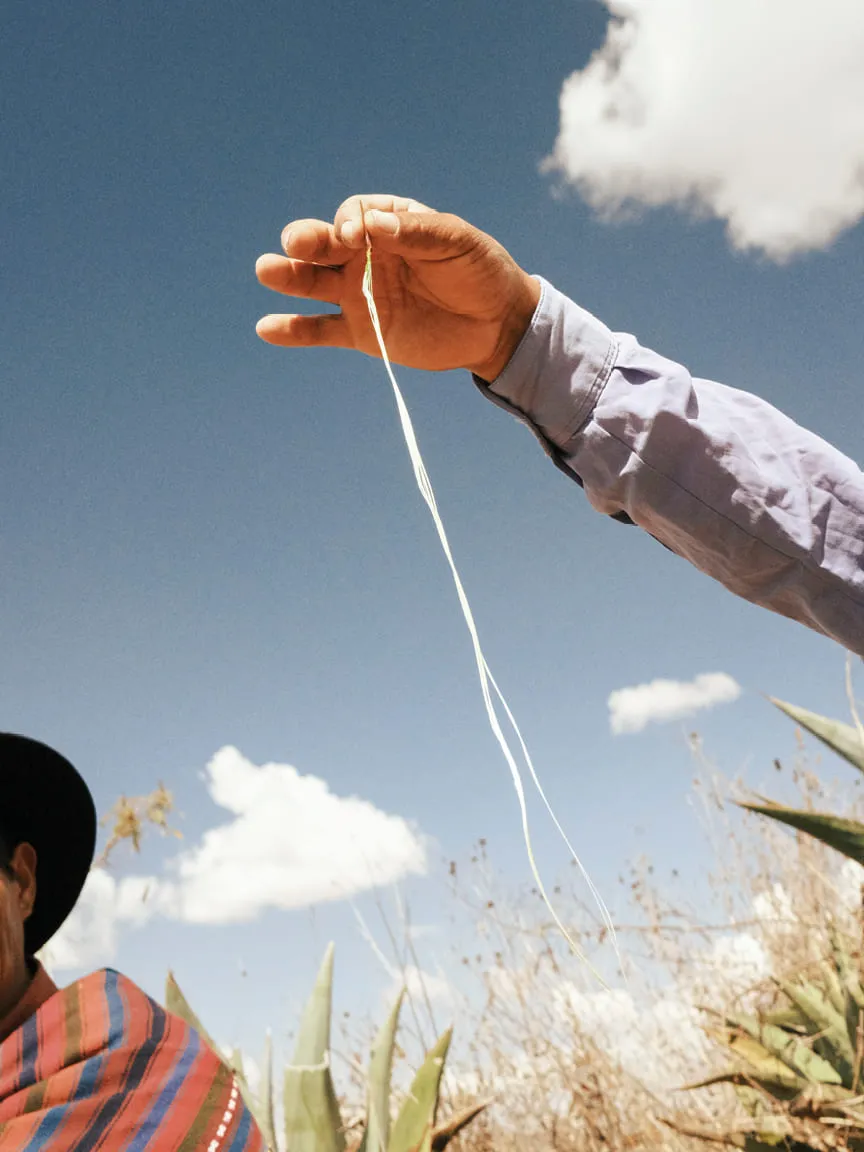
Cleto moves on, gathering herbs and roots whose names elude me, urging me to taste leaves and inhale aromas that introduce me to an entirely new world of flavors. This is no mere walk; it is an immersion into MIL’s philosophy of foraging and rediscovering the hidden culinary riches of Peru’s Andes.
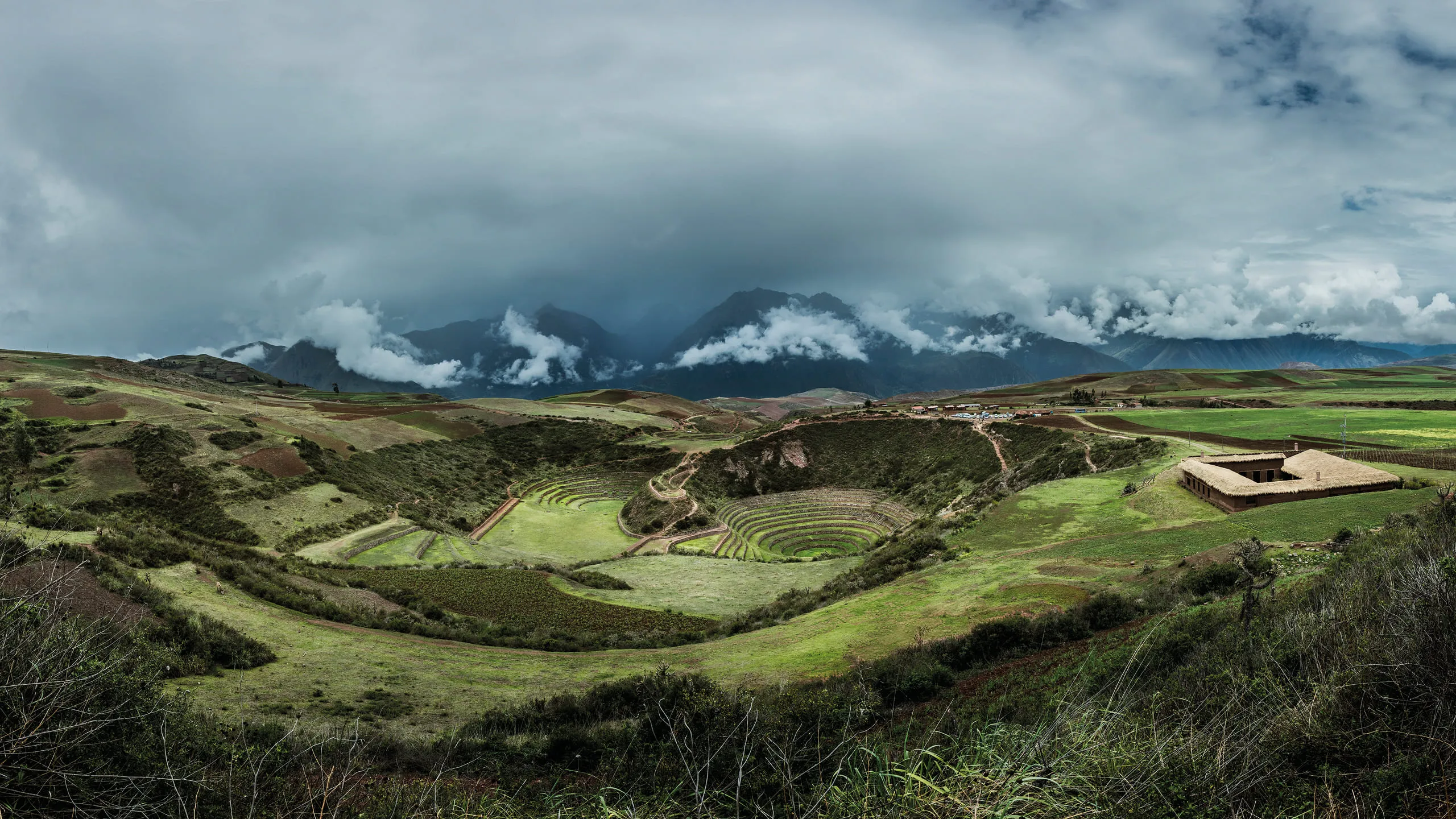
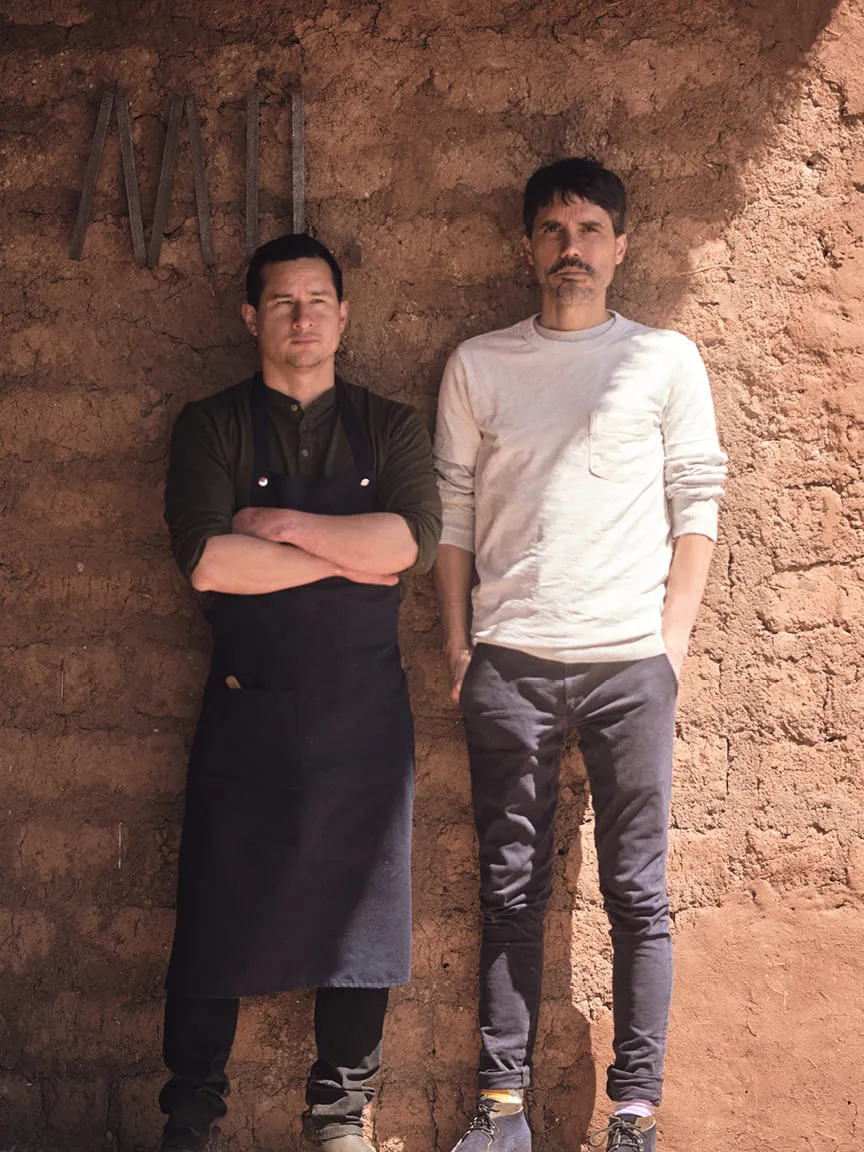
MIL, perched 3,500 meters above sea level overlooking ancient Incan agricultural laboratories of Moray, is no ordinary restaurant – it is a hub of culinary and scientific exploration. Created by renowned chef Virgilio Martínez, MIL and his flagship, Central in Lima, redefine Peruvian cuisine by merging innovation with cultural preservation. Guests embark on a journey through Peru’s natural bounty, as chefs and scientists rediscover native ingredients, revive ancient culinary techniques, and push the boundaries of modern gastronomy.
At the core of Peru’s gastronomic renaissance are chefs like Martínez and his peers – Pía León, Diego Muñoz, Mitsuharu “Micha” Tsumura, Jorge Muñoz Castro, and others – who champion the country’s native biodiversity. Together, they have forged a culinary movement that puts indigenous ingredients at the forefront, challenging diners to see, taste, and valuePeru’s unique heritage.
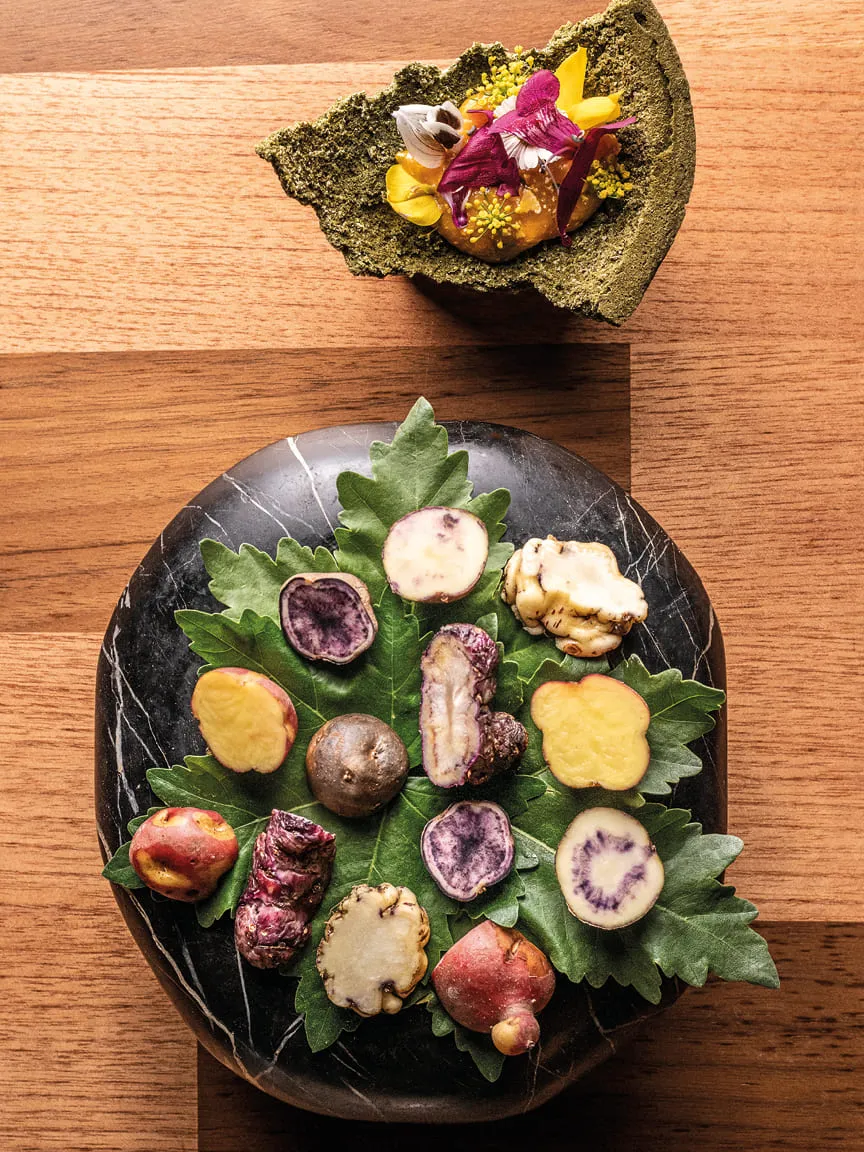
Peru is a land of extremes: from the dense Amazon jungle and lofty Andes mountains to the arid Altiplano plateau and the bracing Pacific coastline. This geographical diversity has fostered unparalleled biodiversity. The country is home to over 5,000 varieties of potatoes, countless tubers like oca and mashua, and grains like quinoa, which itself boasts thousands of varieties. Corn, too, exists in a staggering array of colors and sizes, and each variety is interpreted differently on the tables of Peru’s leading chefs.
At Kjolle in Lima, León’s Many Tubers signature dish celebrates the humble tuber, transforming it into a kaleidoscope of flavors and textures. At MIL, the Corn Diversity dish pays homage to maize in all its forms. At Mauka in Cusco, Grains from the Andean Plateau brings together tiny pearls of kiwicha and kañiwa in a delicate interplay of fine textures. These dishes are more than culinary masterpieces: they are acts of preservation and celebration, ensuring these ingredients endure for generations to come.
Wines Reimagined
Peru’s culinary revival is also transforming its wine industry. While Peruvian wine has a history stretching back 500 years, it has largely been overshadowed by the production of pisco, the country’s renowned white grape brandy. Today, however, a wine renaissance is underway, inspired by the gastronomy movement. Producers including Pepe Moquillaza, Bodega Murga, and others are reclaiming ancient vines and native Criolla grape varieties. These wines, with their saline tang and bold character, are a perfect match for Peru’s layered and complex cuisine.
Liquid innovation is flourishing beyond traditional wine. At culinary laboratory Mater, Martínez’s team has created a plethora of fermented corn and cacao beverages, while Destilería Andina crafts spirits from native botanicals and local sugarcane. Perhaps the most groundbreaking of all though is Manuel Choqque’s Oxalis “wines,” made from high-altitude oca tubers. By fermenting ocas, Choqque produces elegant white, red, rosé, and orange “oca wines,” redefining possibilities in winemaking.
This movement is about more than gastronomy. It is a lifeline for Peru’s remote farming communities, many of which have struggled under the pressures of modern monoculture farming. By creating demand for native ingredients, Peru’s chefs are restoring endangered food supply chains, revitalising biodiversity, and ensuring ancestral knowledge is passed down.
Foraging with locals like Cleto is an act of preservation. Knowledge of native plants and their uses has long been transmitted orally, at risk of disappearing with each passing generation. Working with MIL, Cleto has been able to share his wisdom, teach his family, and reconnect with traditions that were nearly lost.
As we pause at the terraced ruins of Moray, Cleto pours out a ceremonial drink of homemade chicha to honour Pachamama, mother earth. This act of gratitude feels fitting. After all, it is the earth – and its rich tapestry of life – that sustains this entire movement. Through its kitchens and cellars, Peru is not only sharing its bounty with the world but also ensuring that its natural and cultural heritage endures.
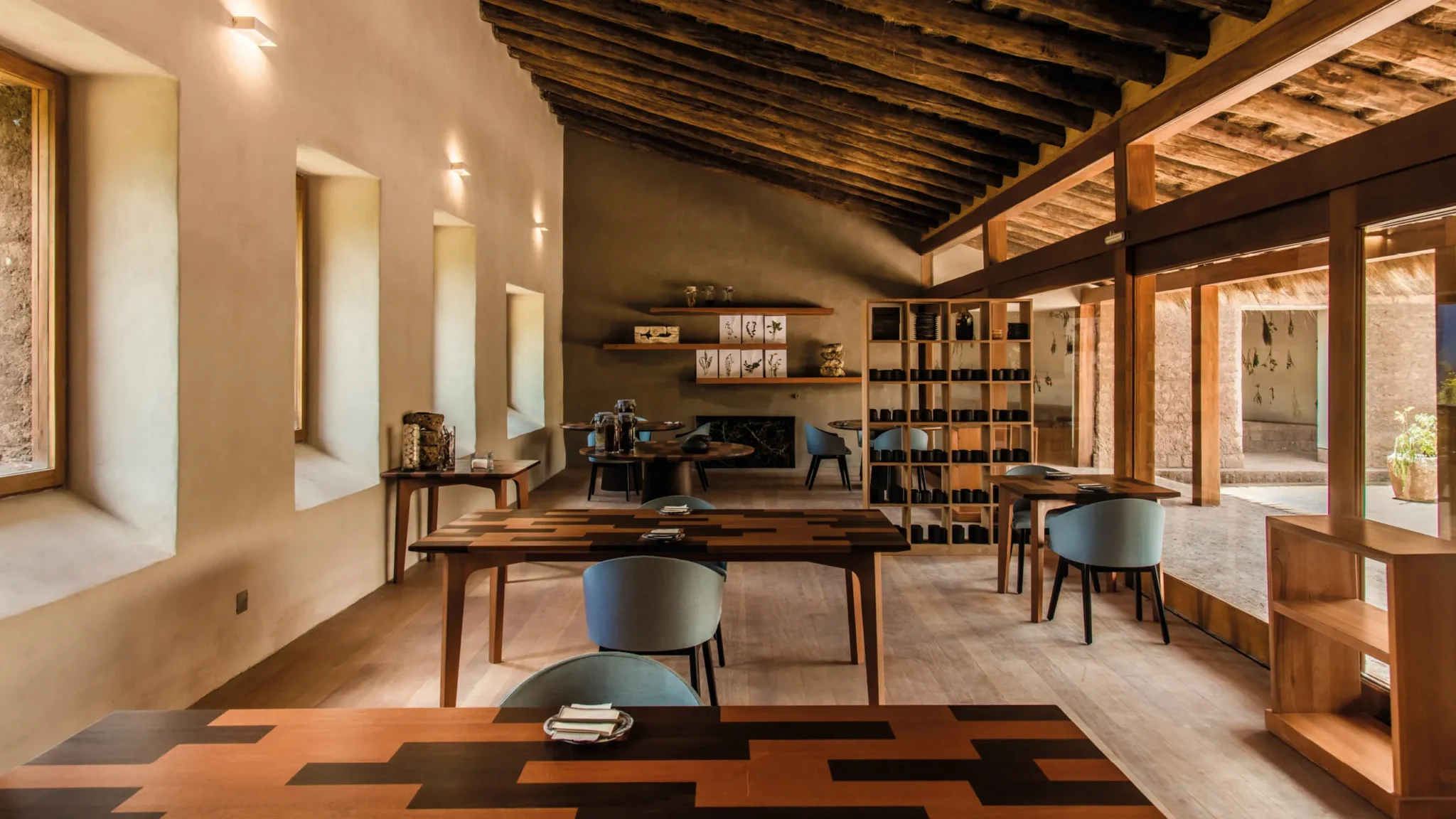
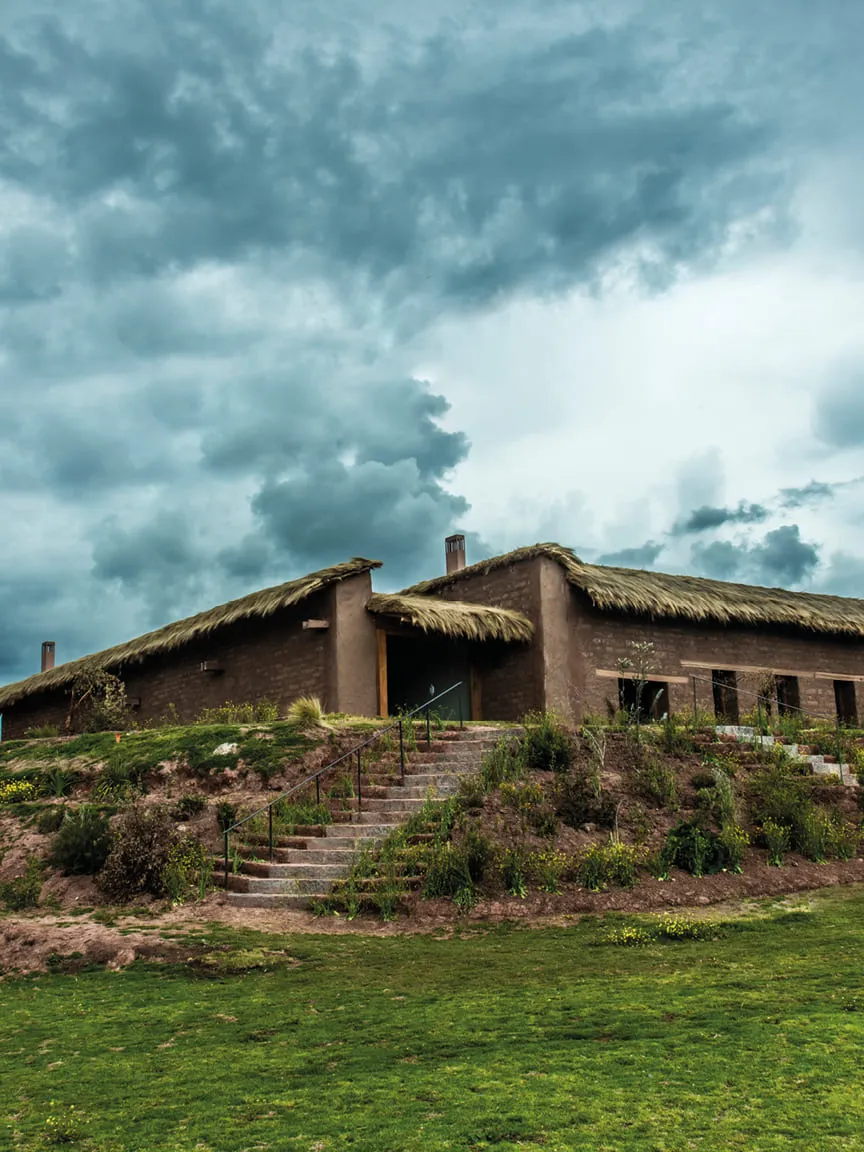
Through its kitchens and cellars, Peru is not only sharing its bounty with the world but also ensuring that its natural and cultural heritage endures
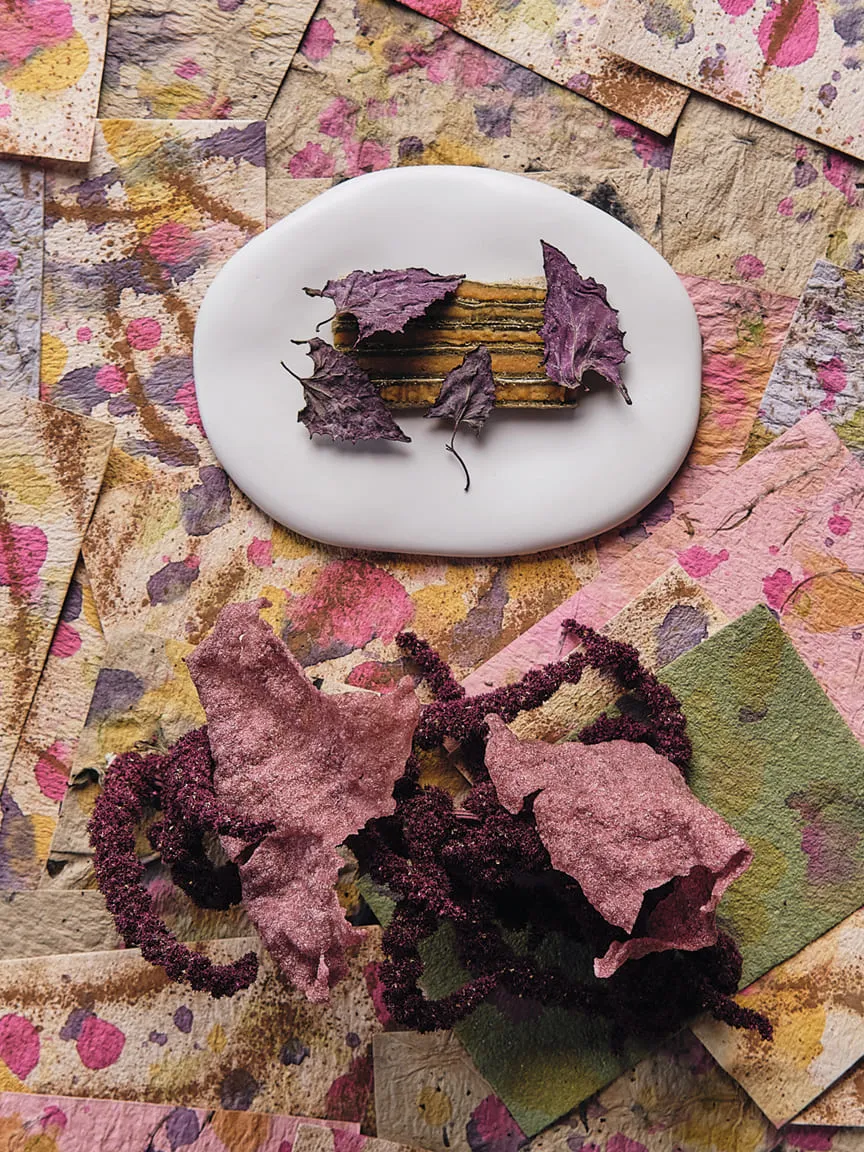
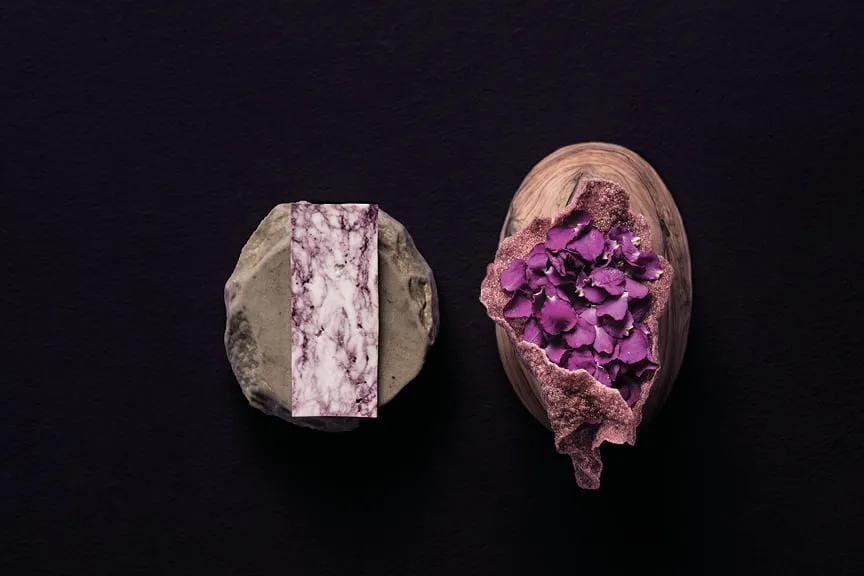
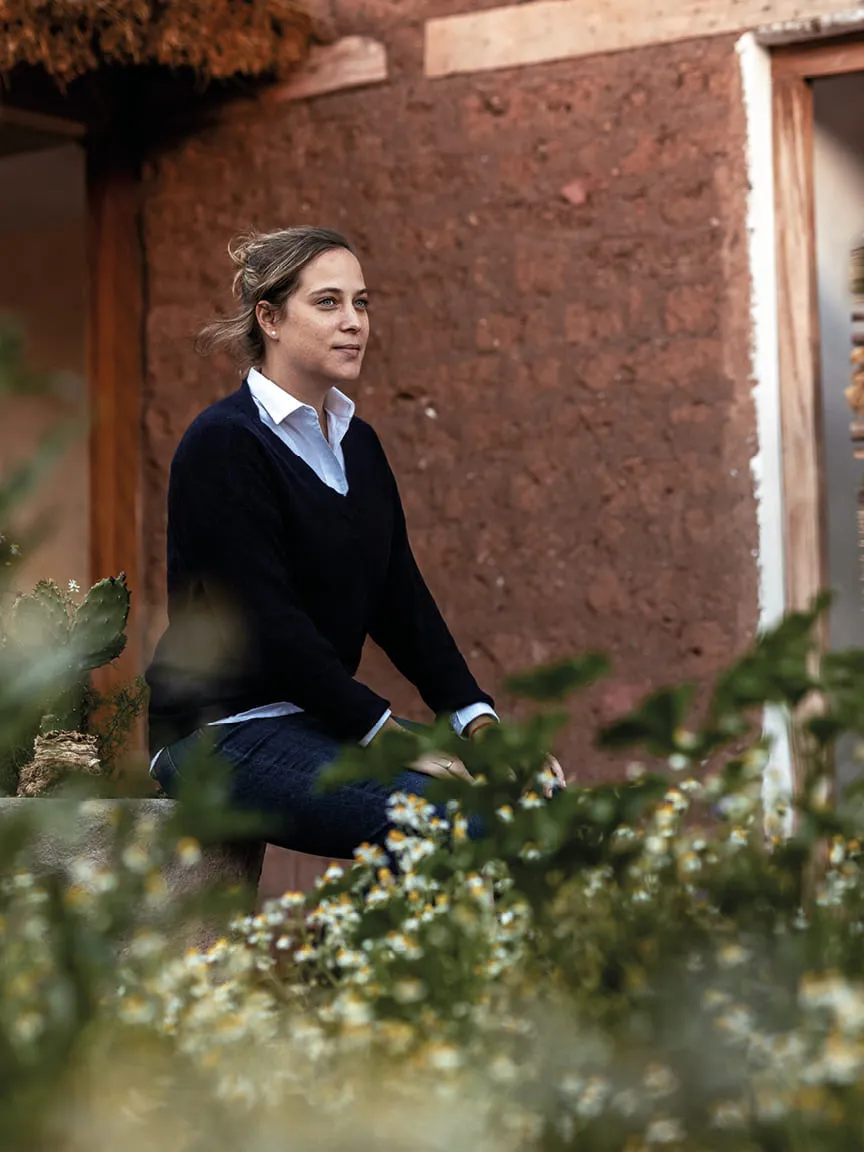
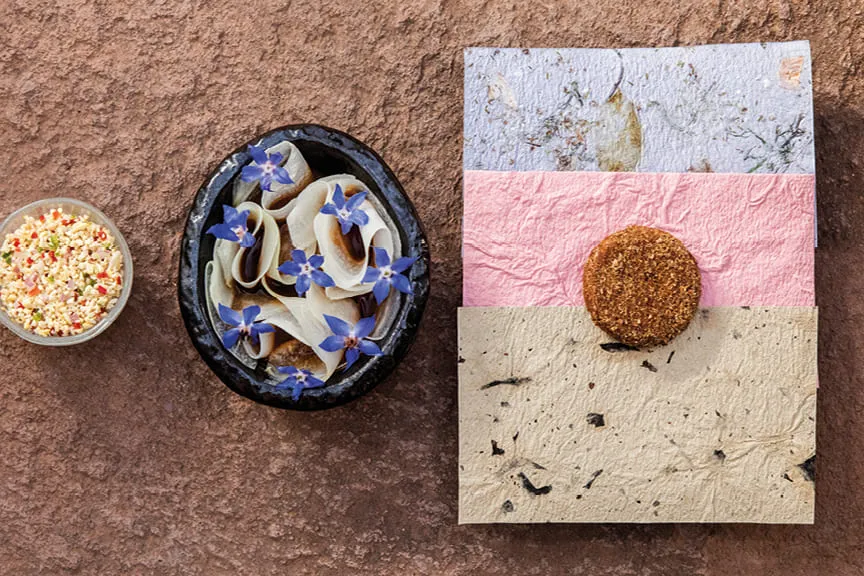
CLOCKWISE FROM TOP, CHEFS LIKE PÍA LEÓN ARE CENTRAL TO PERU’S GASTRONOMIC RENAISSANCE, AND DISHES FROM MIL’S INVENTIVE MENU TO INCLUDE ANDEAN GRAINS, PURPLE CORN AND ANDEAN FOREST
Photography MIL ©Gustavo Vivanco, Camila Novoa, Ken Motohasi. Foraging experience ©Leslie Hosokawa

For the adventurers, bon vivants, and the passionate connoisseurs